Hypertension complicates a significant share of pregnancies and remains a leading contributor to maternal morbidity. It is also the area where cardiology and obstetrics most often have to agree on a plan quickly, because the drug that is routine outside pregnancy may be contraindicated within it.
The four categories
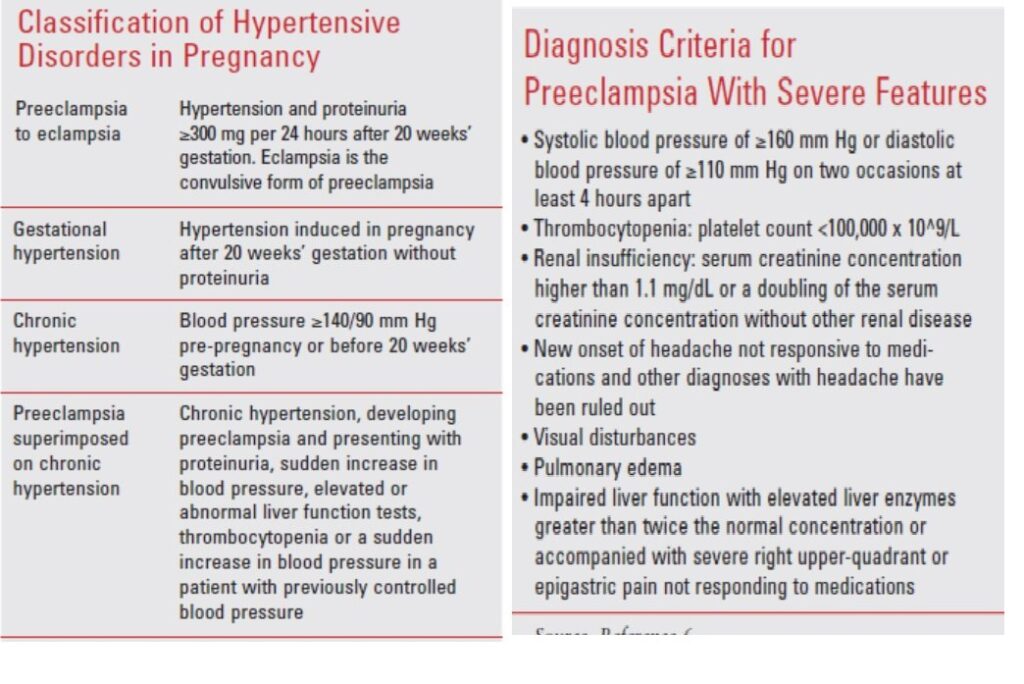
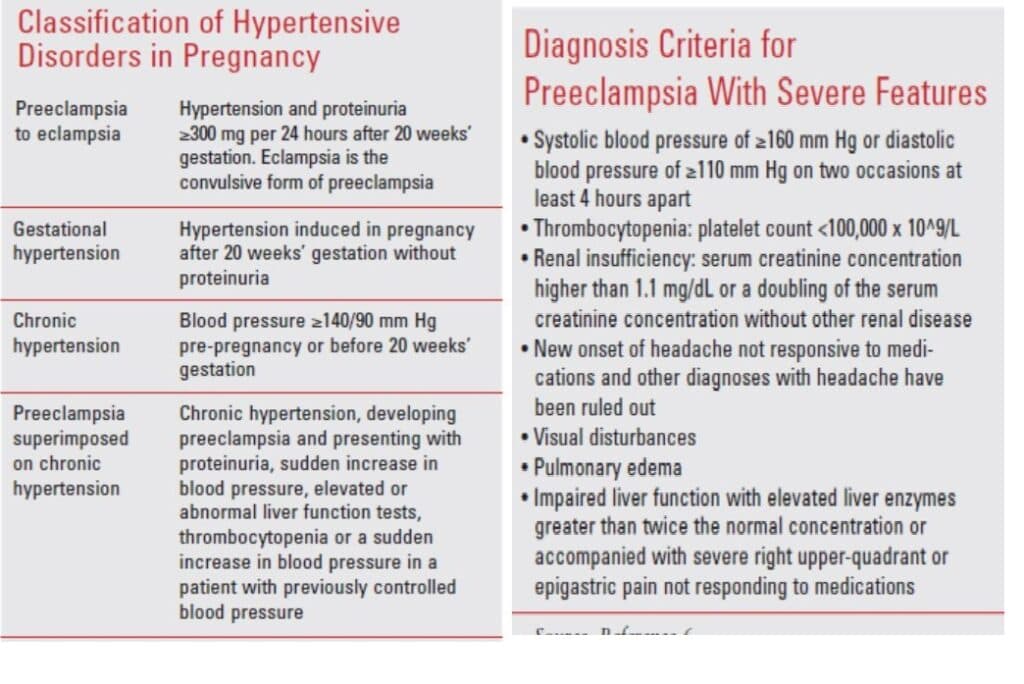
- Chronic hypertension — present before pregnancy or before 20 weeks’ gestation.
- Gestational hypertension — new hypertension after 20 weeks without proteinuria or end-organ features.
- Preeclampsia and eclampsia — new hypertension after 20 weeks with proteinuria or evidence of end-organ involvement; eclampsia adds seizures.
- Chronic hypertension with superimposed preeclampsia — the highest-risk group.
Drug choices
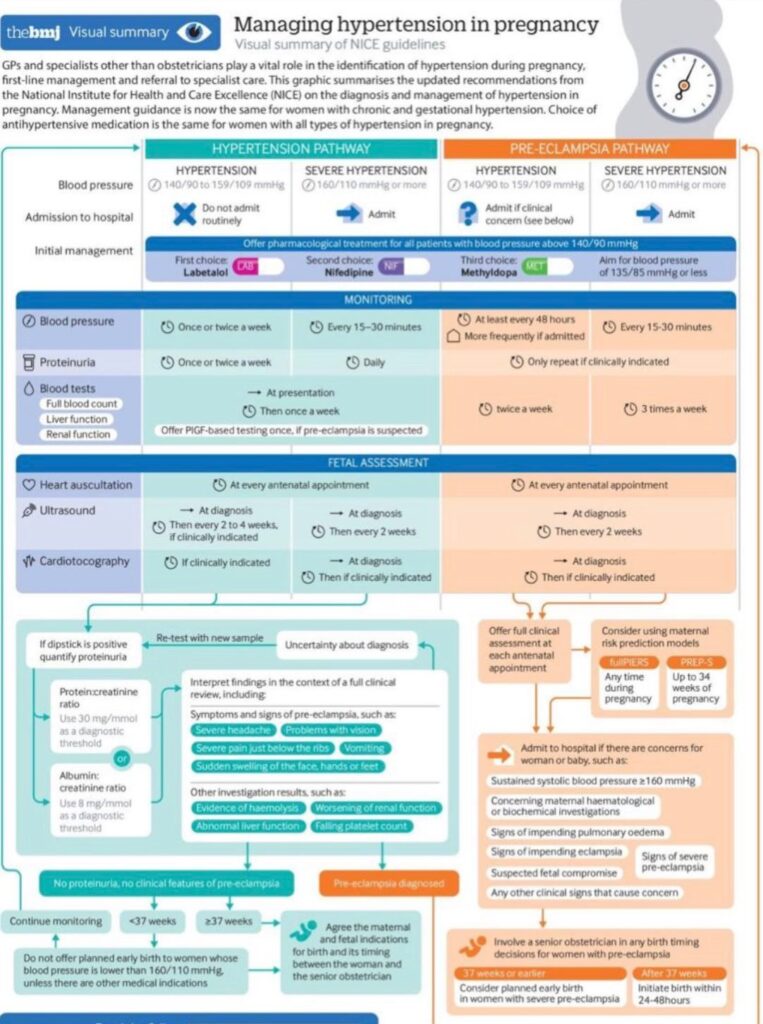
The agents with the longest safety record in pregnancy are labetalol, nifedipine (extended release) and methyldopa. For acute severe hypertension, intravenous labetalol, intravenous hydralazine or oral immediate-release nifedipine are the standard options.
Contraindicated throughout pregnancy: ACE inhibitors, angiotensin receptor blockers, direct renin inhibitors and mineralocorticoid receptor antagonists. Women of childbearing age on these agents should be counselled about this before conception, not after a positive test.